 EN
EN  BG
BG HR
HR CS
CS DA
DA NL
NL FI
FI FR
FR DE
DE IT
IT JA
JA KO
KO NO
NO PL
PL PT
PT RU
RU ES
ES SV
SV TL
TL SR
SR SK
SK UK
UK VI
VI TH
TH MS
MS BE
BE HY
HY
Hydraulic fittings connect hoses, pipes, and tubes in hydraulic systems. They ensure fluid flows smoothly and efficiently. You rely on these fittings to prevent leaks and maintain pressure. Proper hydraulic fittings enhance system performance and safety. Choosing the right fittings can significantly impact your equipment's longevity and effectiveness.
Key Takeaways
· Choose the right hydraulic fitting based on material, size, and pressure rating to ensure safety and efficiency.
· Regularly inspect and maintain hydraulic fittings to prevent leaks and extend their lifespan.
· Avoid common mistakes like ignoring compatibility and rushing installation to ensure your hydraulic systems operate smoothly.
Types of Hydraulic Fittings
Threaded Fittings
Threaded fittings are common in hydraulic systems. They connect pipes and hoses using male and female threads. You can find these fittings in various sizes and materials. They provide a secure connection and are easy to install. However, ensure you use the right thread type for your application.
Flanged Fittings
Flanged fittings consist of two flat surfaces with holes for bolts. You can easily connect and disconnect these fittings. They work well in high-pressure systems. Flanged fittings also allow for easy maintenance. You can replace parts without disturbing the entire system.
Quick Disconnect Fittings
Quick disconnect fittings allow you to connect and disconnect hoses quickly. You can use them in applications where you need to change hoses frequently. These fittings save time and reduce the risk of leaks. They are ideal for mobile equipment and machinery.
Compression Fittings
Compression fittings create a tight seal by compressing a ring around the pipe or hose. You can use them in various applications, including plumbing and hydraulic systems. They are easy to install and do not require special tools. Just ensure you tighten them properly to avoid leaks.
Push-to-Connect Fittings
Push-to-connect fittings simplify the connection process. You can insert a hose into the fitting without any tools. This feature makes them popular in many industries. They provide a reliable seal and are easy to use, even for beginners.
Specialty Fittings
Specialty fittings cater to unique applications. They include items like swivel fittings and banjo fittings. You can find these fittings in specific industries, such as aerospace or automotive. Always choose specialty fittings based on your specific needs.
Applications of Hydraulic Fittings
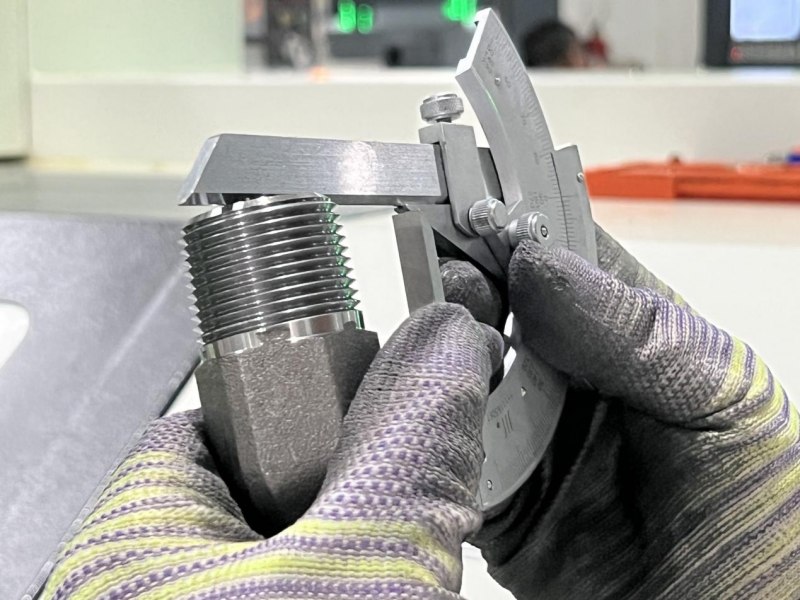
Industrial Applications
In industrial settings, hydraulic fittings play a crucial role. You find them in machinery, manufacturing equipment, and assembly lines. These fittings help maintain fluid flow, ensuring machines operate smoothly. For example, hydraulic presses rely on these fittings to function effectively. Without proper fittings, you risk leaks and equipment failure.
Automotive Applications
Hydraulic fittings are essential in the automotive industry. You use them in brake systems, power steering, and transmission systems. These fittings ensure that hydraulic fluid flows correctly, allowing for safe and efficient vehicle operation. If you notice any leaks in your car, check the hydraulic fittings first. They often wear out over time and need replacement.
Agricultural Applications
In agriculture, hydraulic fittings support various equipment, such as tractors and harvesters. These fittings help control the hydraulic systems that power attachments like plows and seeders. Proper hydraulic fittings ensure that your equipment runs efficiently, which can lead to better crop yields. Regular maintenance of these fittings can prevent costly downtime during the busy farming season.
Choosing the Right Hydraulic Fitting
Key Considerations
When selecting hydraulic fittings, you should consider several important factors. These factors can help you make the best choice for your specific application:
1. Material: Choose a fitting made from a material that suits your environment. Common materials include steel, brass, and plastic. Each material has its strengths and weaknesses.
2. Size: Ensure the fitting matches the size of your hoses or pipes. An incorrect size can lead to leaks or system failure.
3. Pressure Rating: Check the pressure rating of the fitting. It must withstand the maximum pressure in your hydraulic system. Using a fitting with a lower rating can cause dangerous failures.
4. Thread Type: Different fittings have various thread types. Make sure to match the thread type with your hoses or pipes to ensure a secure connection.
5. Application: Consider the specific application for which you need the fitting. Different applications may require different types of fittings. For example, quick disconnect fittings are ideal for frequent changes, while flanged fittings work well in high-pressure systems.
Tip: Always consult the manufacturer's specifications for guidance on selecting the right hydraulic fittings.
Common Mistakes to Avoid
Choosing the wrong hydraulic fitting can lead to serious issues. Here are some common mistakes you should avoid:
· Ignoring Compatibility: Failing to check compatibility with existing components can lead to leaks or system failures. Always verify that the fitting matches your hoses and pipes.
· Overlooking Pressure Ratings: Selecting a fitting without considering its pressure rating can be dangerous. Always ensure the fitting can handle the pressure in your system.
· Neglecting Maintenance: Many users forget to inspect their hydraulic fittings regularly. Regular maintenance can prevent leaks and prolong the life of your fittings.
· Using Incorrect Tools: Some fittings require specific tools for installation. Using the wrong tools can damage the fitting or create leaks. Always use the recommended tools for installation.
· Rushing the Installation: Taking your time during installation is crucial. Rushing can lead to mistakes that may cause leaks or system failures.
By keeping these considerations and mistakes in mind, you can choose the right hydraulic fittings for your needs and ensure your hydraulic systems operate efficiently.
In summary, you learned about various hydraulic fittings, including threaded, flanged, and quick disconnect types. When selecting fittings, consider material, size, and pressure ratings. Always match fittings to your specific application. This approach ensures safety and efficiency in your hydraulic systems.
FAQ
What materials are hydraulic fittings made from?
Hydraulic fittings typically use materials like steel, brass, and plastic. Each material has unique properties suited for different applications.
How do I know which fitting size to choose?
Measure the diameter of your hoses or pipes. Ensure the fitting matches this size to prevent leaks and ensure a secure connection.
Can I reuse hydraulic fittings?
You can reuse some hydraulic fittings if they show no signs of wear or damage. Always inspect them carefully before reinstallation.
Founded in 2004, NingBo NJ Hydraulic Adapter Co., Ltd specializes in manufacturing hydraulic fittings, hydraulic adapters, hose fittings, split flange kits, flange adapters, flanges, reusable hose fittings, ferrules, caps and plugs and so on, then sell to worldwide, especially North America, South America, Australia, Germany, UK. Our history of collaboration with our customers for specially designed hydraulic applications, has established NJ as an industry-preferred source for customer-specific manufactured adapters. We are proud to serve major markets including: construction, agriculture, mining, industrial equipment and more. All NJ fittings are manufactured to the highest standards, meeting S.A.E./BRITISH/EATON/DIN and INTERNATIONAL specifications. We control our own manufacturing both domestically and overseas. NJ has a strong inventory reserve, more than 20,000 warehouse has more than 25,000 series and sizes of fittings, far more than the competitors twice as much. From the time we receive your order until it arrives at your facility, we're committed to meeting your deadlines and delivery requirements. Our goal is to provide your fittings as fast as possible — when and where you need them — which also helps you keep your inventories and freight costs low. Whether you have an emergency or an ongoing need, send us an email. We deliver the fittings you want, along with the high quality, best after-sales service and competitive price you deserve.